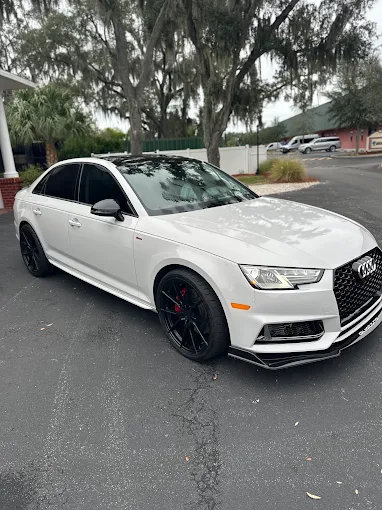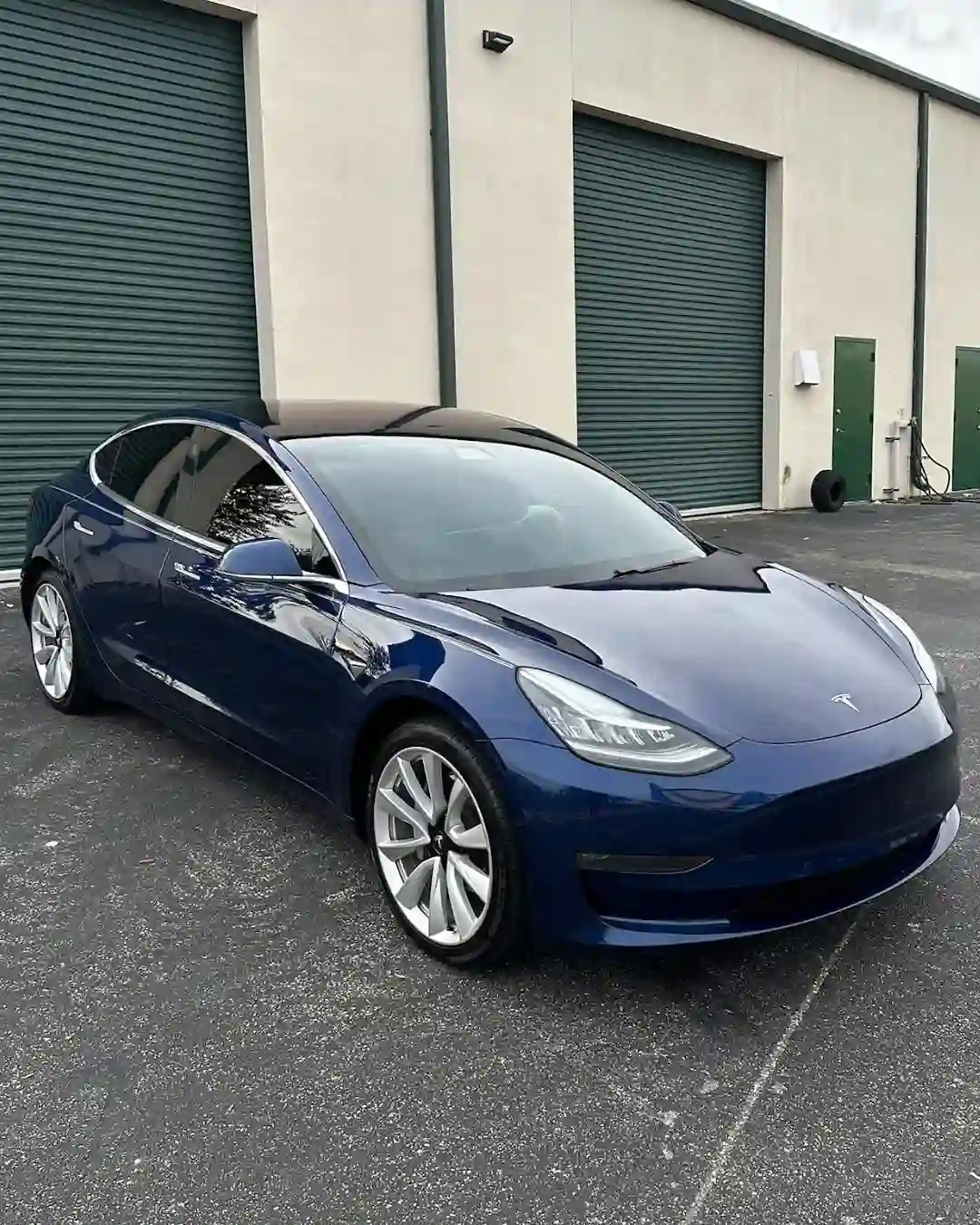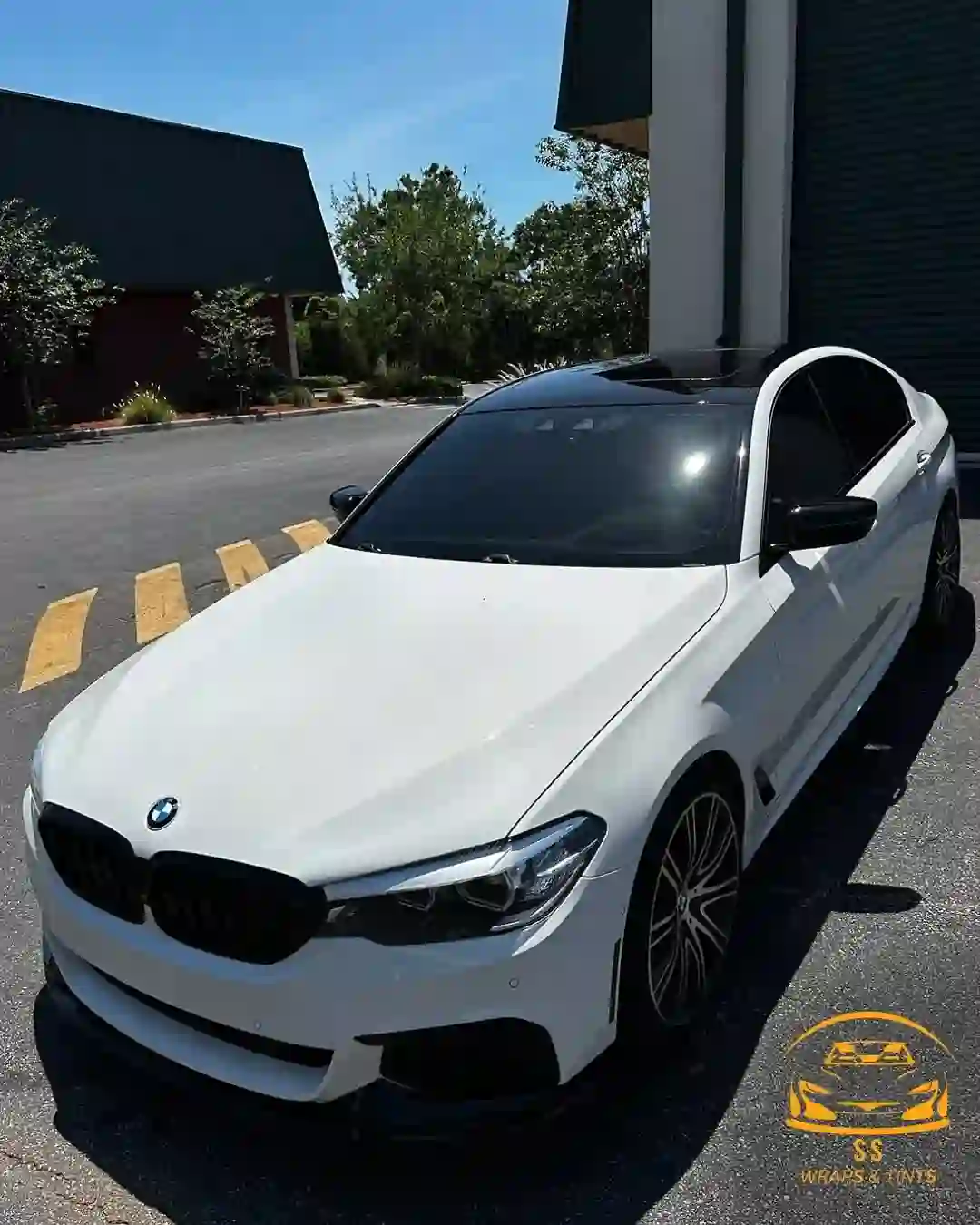

Every Tampa driver comparing ceramic window tint vs. carbon window tint wants a single answer. Which film pays for itself in comfort and protection? Both block glare and add privacy, but they perform very differently once summer heat sets in. SS Wraps & Tints handles premium window tint installs in Tampa for both film types every week. The right pick usually comes down to budget, vehicle electronics, and how much heat a driver can tolerate.
What Is Carbon Window Tint and How Does It Work?
Carbon window tint uses carbon particles woven through the film instead of dye alone. The carbon layer absorbs solar energy before it reaches the glass. That cuts glare and slows fading on interior surfaces.
Geoshield’s C2 Carbon is the carbon option installed most often on daily drivers and family vehicles. It keeps a deep matte black finish that resists the purple or bluish fade common in older dyed film. It costs less than ceramic while still meeting Florida’s legal tint limits.
Industry-wide, standard carbon film typically rejects 40 to 50 percent of infrared heat. That gap matters most in Tampa, where cars sit in direct sun for hours. Carbon still suits trucks, work vehicles, and daily commuters who want a clean look at a lower cost.
What Is Ceramic Window Tint, and What Makes Geoshield’s Films Different?
Ceramic window tint uses nano-ceramic particles instead of carbon or dye. Ceramic does not conduct heat or electricity the way metal-based films can. That construction lets it block far more infrared energy while staying completely non-metallic.
SS Wraps & Tints offers two ceramic tiers from Geoshield: standard Ceramic and the flagship Apex Ultra. Apex Ultra is a dual-layer film built for maximum clarity and the strongest heat rejection the shop offers. Standard Ceramic covers most vehicles that want a real upgrade over carbon without flagship pricing.
It is worth clearing up a common mix-up here. Ceramic window tint is a film for glass, while ceramic coating is a liquid polymer applied to paint. The shop does not install ceramic paint coating, and installs paint protection film and Geoshield tint instead.
Ceramic vs. Carbon Window Tint: Heat Rejection, UV Protection, and Clarity Compared
The numbers below reflect Geoshield’s published film performance. Standard carbon figures come from general industry data, since exact infrared numbers vary by film generation.
| Factor | Carbon (C2 Carbon) | Ceramic (Ceramic and Apex Ultra) |
| UV protection | Up to 99% | Up to 99% |
| Infrared heat rejection | Roughly 40-50% (industry standard for carbon) | Up to 98%, with Apex Ultra built for the strongest rejection |
| Signal interference | None, non-metallic | None, non-metallic |
| Optical clarity | Deep matte black, low haze | Neutral tone, highest clarity on Apex Ultra |
| Fade resistance | Strong, resists purple fade | Strongest, color-stable for the life of the film |
| Warranty | Lifetime against peeling, bubbling, and fading | Lifetime against peeling, bubbling, and fading |
| Typical film lifespan | 10-15 years or more with professional install | 10-15 years or more with professional install |
| Full-vehicle install time | 2-3 hours | 2-3 hours |
Ceramic wins on raw heat performance, which is why it costs more. Carbon still delivers a meaningful upgrade over dyed film for budget-conscious drivers. Neither option sacrifices UV protection or warranty coverage.
Optical clarity is another place ceramic pulls ahead. It carries none of the slight haze that can develop in lower-grade film over time.
How Much Do Ceramic and Carbon Window Tint Cost in Tampa?
Pricing depends on vehicle size, window count, and which Geoshield tier gets installed. Full-vehicle tint packages generally run from $150 to $800. C2 Carbon builds land toward the lower end, and Apex Ultra packages land toward the top.
Every job gets a clear, itemized quote from SS Wraps & Tints before work starts. That transparency matters more with ceramic film, since the price gap between tiers can be significant. A quick consultation usually pins down an exact number faster than guessing from online ranges.
Vehicles with more glass, such as trucks, SUVs, and Teslas with panoramic roofs, tend to land higher in the range.
Which Tint Holds Up Better in Tampa’s Heat, Humidity, and Salt Air?
Tampa presents a tougher test than most markets. Year-round UV exposure, thick summer humidity, and salt air off Tampa Bay all take a toll. Cars parked outside all day, at work or along the coast, feel that combination fast.
Geoshield’s films were chosen specifically to hold up under Florida conditions. Ceramic’s higher infrared rejection matters most for anyone parking outdoors for long stretches. Carbon still holds up well against salt air and humidity, just with less heat rejection.
Drivers across the greater Tampa area on I-275, Veterans Expressway, or Dale Mabry Highway notice the heat difference fast. Salt air also wears down rubber seals and interior trim, so durable film protects more than comfort.
Will Ceramic or Carbon Tint Interfere With Cameras, GPS, or Tesla Autopilot?
This question comes up constantly with newer, sensor-packed vehicles. Both Geoshield carbon and ceramic films are completely non-metallic. Neither blocks GPS, Bluetooth, cell signal, satellite radio, or ADAS systems.
That matters even more on Tesla models, which rely on eight external cameras. Autopilot and Sentry Mode both depend on those cameras working correctly. Every Model 3, Model Y, Model S, and Cybertruck gets our Tesla-safe window tint installs.
We verify every sensor after installation, whether the film is carbon or ceramic. Neither film type requires compromising electronics. Owners of other camera-heavy vehicles, including late-model BMWs, face the same consideration.
Do Florida’s Tint Laws Limit Your Ceramic or Carbon Choice?
Florida law caps how dark film can go, regardless of carbon or ceramic. Front side windows must allow at least 28 percent visible light transmission. Rear windows need at least 15 percent VLT for most passenger vehicles.
Reflectivity is capped at 35 percent, and red, blue, and amber films are banned statewide. Both C2 Carbon and Geoshield’s ceramic films are manufactured within these limits. You must remove aftermarket film that is too dark before applying new legal tint.
For a full breakdown of limits, enforcement, and medical exemptions, see Florida’s window tint law limits guide.

Can You Put Ceramic or Carbon Tint on a Windshield?
Florida allows non-reflective film on a windshield, but only above the manufacturer’s AS-1 line. That line usually sits around the top six inches of the glass. Full windshield tint, in either film type, isn’t legal for daily driving in Florida.
You can apply both C2 Carbon and Geoshield’s ceramic films to that windshield strip. Ceramic performs better here too, since the windshield takes constant direct sun. Many drivers pair a ceramic strip with carbon or ceramic film on the remaining windows for a matched look.
How Should You Care for New Window Tint After Installation?
Freshly installed film needs time to cure before normal use. Both carbon and ceramic tint should sit undisturbed for three to five days. Keep car windows up during that time.
Light haze or small water pockets are normal during curing and clear up on their own. Rain will not damage new tint, since the film sits inside the glass. Rolling windows down early can trap moisture and cause bubbling later.
After curing, both film types clean easily with a soft cloth and ammonia-free cleaner. Ammonia-based products can damage the film’s clarity and color over time. Parking stickers and toll transponders should go on the glass, not directly over the film.
Does Professional Installation Affect How Long Ceramic or Carbon Tint Lasts?
Installation quality affects how well both film types perform over time. Trapped dust, stretched film, or poor edge trimming can cause bubbling within months. That risk applies equally to carbon and ceramic tint.
Trained installers who work with Geoshield film daily know how to avoid these problems. Proper prep, including a full clean strip of the glass, keeps dust from getting trapped underneath. That same prep step matters whether the job uses C2 Carbon or one of the ceramic tiers.
A lifetime warranty only holds up if the installation meets the manufacturer’s standards. Cutting corners on install can shorten a film’s real-world lifespan well below its rated years. That is why installation quality matters as much as the film tier chosen.
Do Fleet and Commercial Vehicles Need a Different Tint Choice?
Fleet and dealership vehicles usually favor carbon film for its lower per-vehicle cost across multiple units. A consistent matte look also matters for branded work trucks and delivery vans. Carbon still holds up well under regular outdoor parking between shifts.
Ceramic makes more sense for a smaller premium fleet. It also suits dealership demo vehicles that sit on the lot in direct sun daily. The stronger heat rejection keeps interiors more comfortable for staff moving between vehicles. Either film comes with the same lifetime warranty, regardless of fleet size.
Which Tint Should You Choose for Your Vehicle?
The decision usually comes down to heat versus upfront cost. Carbon suits budget-conscious drivers who still want a clean matte finish. It works well for daily commuters who aren’t parked outside for hours.
Ceramic suits drivers who park outdoors often or drive long distances in direct sun. It also suits vehicles with a large glass roof or panoramic sunroof. Neither option affects Florida legal compliance or vehicle electronics.
A quick way to frame the decision:
- Choose carbon window tint for a lower upfront cost and solid daily glare and UV protection.
- Choose standard Geoshield Ceramic for a meaningful heat rejection upgrade without flagship pricing.
- Choose Apex Ultra for maximum heat rejection and clarity on a vehicle that sits in direct Tampa sun for hours.
Why Blocking UV Rays Matters for Tampa Drivers
UV exposure through side and rear windows is a real health concern, not just a comfort issue. UV window film research from the Skin Cancer Foundation confirms UVA rays pass through standard vehicle glass year-round. Tempered side and rear windows offer far less natural UV protection than a windshield’s laminated glass.
Properly installed window film can block more than 99 percent of that UVA and UVB exposure. That protection applies to both films, since Geoshield carbon and ceramic block up to 99 percent of UV rays. Delivery drivers and long commuters see the biggest benefit from that consistent block.
Conclusion
Ceramic window tint outperforms carbon on heat rejection and clarity. Carbon still delivers strong UV protection and glare reduction at a lower price. Both meet Florida’s legal VLT limits and carry the same lifetime warranty against peeling, bubbling, and fading.
Tampa drivers can lean on SS Wraps & Tints to weigh that trade-off against their vehicle and budget. Anyone also comparing paint-side protection can check our ceramic coating vs. PPF comparison to see how film and coating options work together.
Frequently Asked Questions
Is ceramic window tint really worth the extra money over carbon film?
For drivers who park outside often or drive long distances in the direct Tampa sun, yes. Ceramic blocks up to 98 percent of infrared heat versus roughly 40 to 50 percent for carbon, noticeably cutting cabin temperature and air conditioning strain over a long, hot Florida summer.
Will carbon or ceramic tint mess with my Tesla’s Autopilot cameras?
No. Geoshield carbon and ceramic films are completely non-metallic, so they never block GPS, radar, Bluetooth, or camera signals. SS Wraps & Tints verifies every sensor and camera after installing Tesla-safe tint on Model 3, Model Y, Model S, and Cybertruck models.
How dark can I legally tint my windows in Florida with ceramic or carbon film?
Florida requires at least 28 percent VLT on front side windows and 15 percent on rear windows for most passenger cars, regardless of which specific film type a driver ultimately chooses to install. Reflectivity cannot exceed 35 percent, and red, blue, and amber films are banned statewide.
How long does Geoshield ceramic or carbon tint actually last in Florida heat?
With professional installation, both Geoshield tiers typically last 10 to 15 years or more without peeling, bubbling, or fading, backed by a lifetime warranty against those specific issues. Poor installation quality can shorten that lifespan well below its rated years regardless of film chosen.
What is the actual difference between ceramic window tint and ceramic coating?
Ceramic window tint is a film applied to glass that blocks heat and UV rays for the cabin interior. Ceramic coating is a liquid polymer applied to painted body panels for gloss and protection instead. The two products solve completely different problems and are not interchangeable.
Does carbon window tint fade or turn purple over time like older dyed film?
Carbon film resists fading far better than older dyed tint and will not turn purple or bluish over time the way cheaper film can. Geoshield’s C2 Carbon holds its deep matte black finish under Florida’s sun, humidity, and coastal salt air for years, backed by a full lifetime warranty.