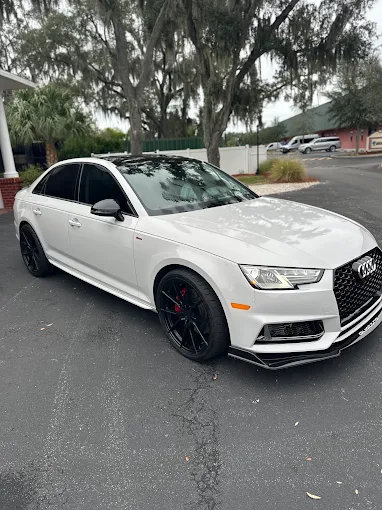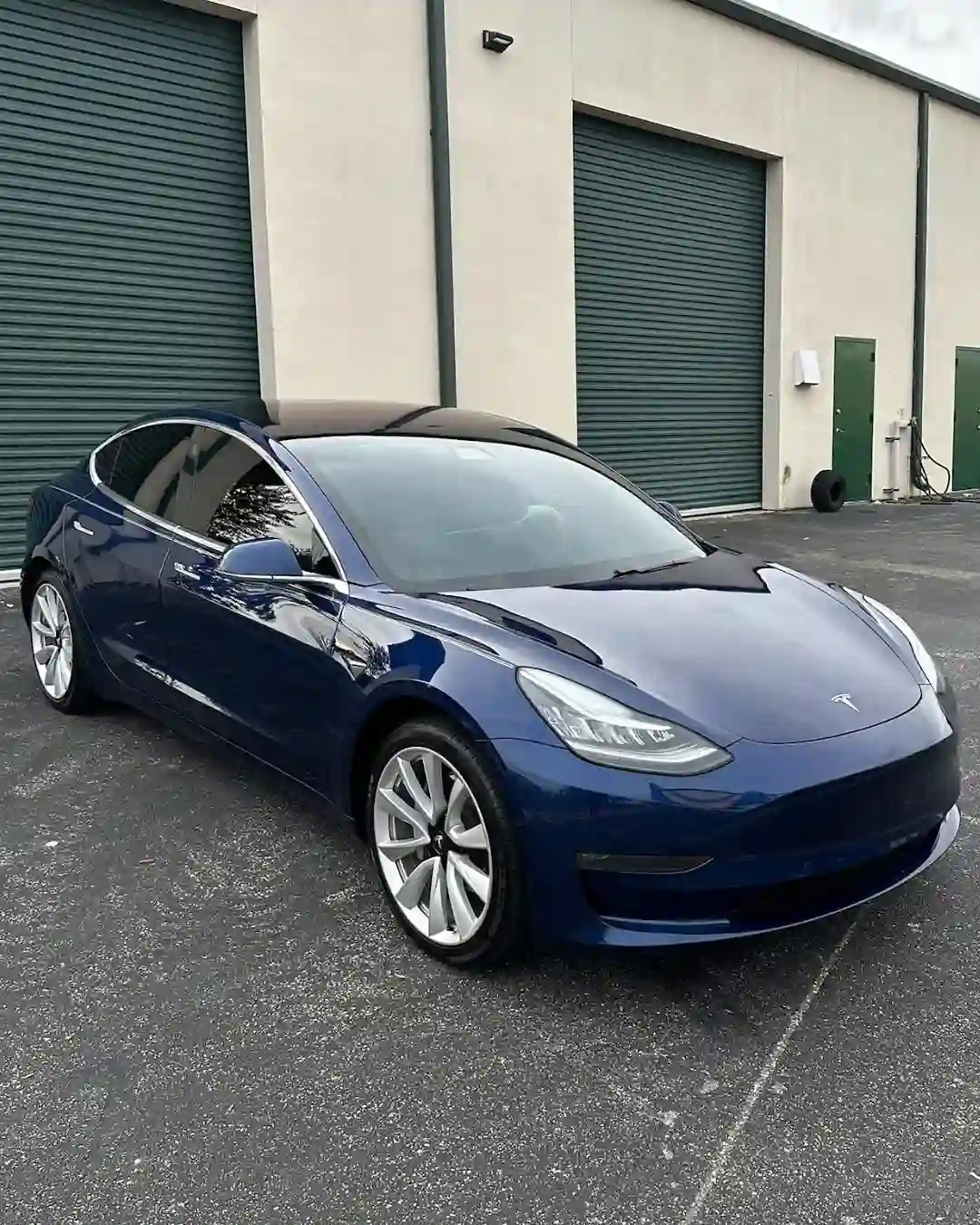
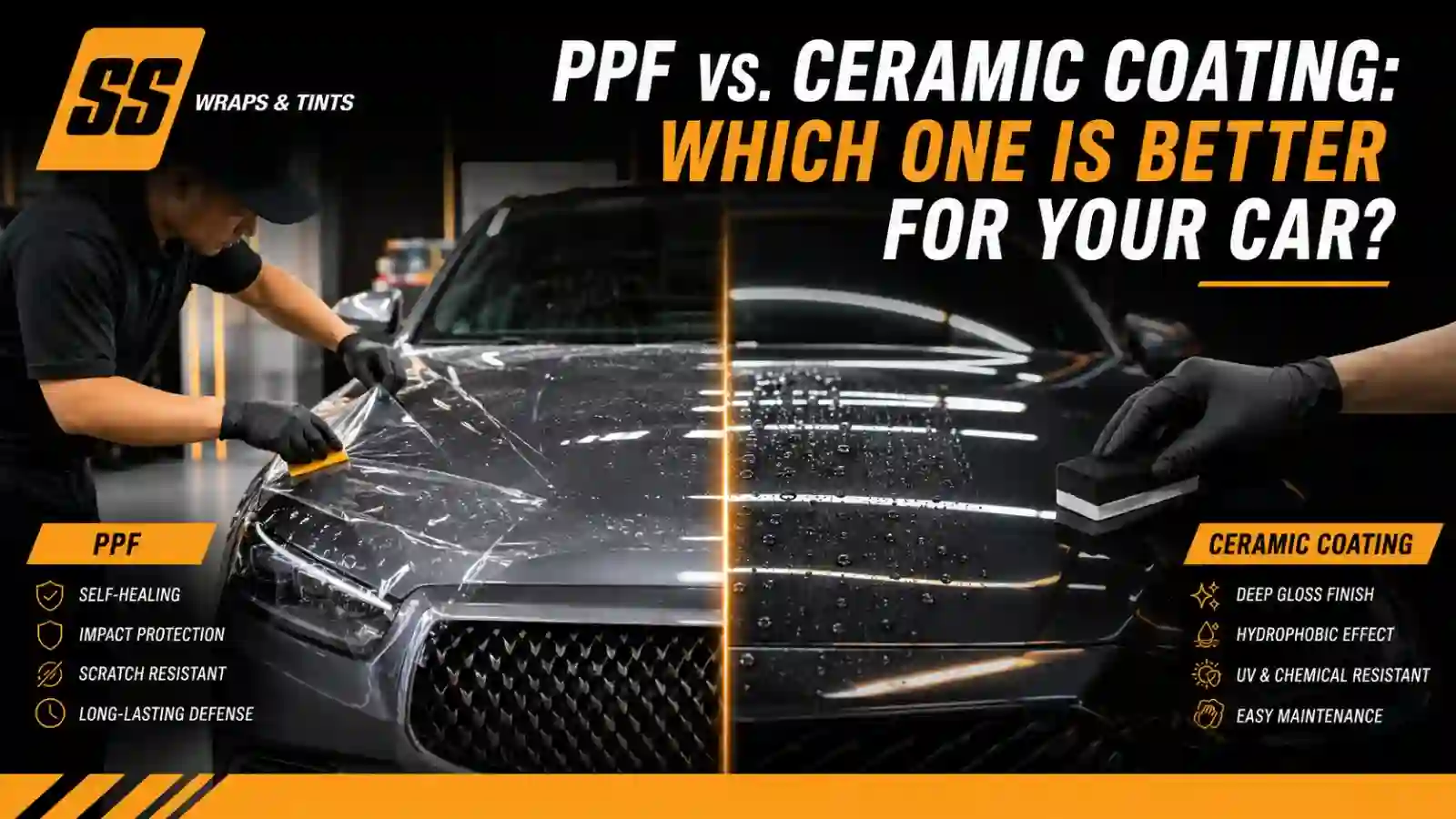
PPF and ceramic coating are both marketed as paint protection products, and both carry premium price tags. But they protect against completely different things. One stops physical damage. The other stops chemical and environmental damage. For Tampa drivers, understanding which threats actually cause the most expensive and visible harm determines which product deserves the investment first.
This guide compares both products honestly, explains what each one can and cannot do, and covers why the physical damage Tampa roads deliver every day makes paint protection film in Tampa the stronger first investment for most drivers in this market.
The Core Difference Between PPF and Ceramic Coating
Paint protection film is a physical barrier. It is a clear thermoplastic urethane layer, typically 6 to 8 mils thick, applied directly over the painted surface. When a rock, a piece of gravel, or a road debris fragment hits the panel, the film absorbs the impact. The paint underneath stays untouched.
Ceramic coating is a chemical barrier. It is a liquid polymer that bonds to the clear coat at a molecular level. Once cured, it repels water, resists UV degradation, and prevents contaminants like bird droppings and tree sap from bonding to the paint. It does not absorb physical impact.
That single distinction determines everything. A stone hitting a ceramic-coated surface at highway speed damages the paint the same way it damages bare clear coat. The coating does not compress, flex, or absorb energy the way PPF does. Ceramic coating handles what touches the surface gently. PPF handles what hits the surface with force.
What Paint Protection Film Does for Tampa Vehicles
PPF is the only protection product that prevents rock chips, gravel damage, and road debris from creating permanent marks on the paint. No other product on the market does this.
Physical Impact Protection
Tampa drivers commuting daily on I-275, the Veterans Expressway, and Hillsborough Avenue face sustained rock chip and construction debris exposure at highway speed. A single commute through the I-275 and Dale Mabry interchange can spray enough gravel to mark unprotected paint visibly. PPF absorbs every one of those impacts on the panels it covers.
Self-Healing Surface
Modern PPF from manufacturers like STEK features self-healing technology. Minor surface scratches from parking lot contact, light door dings, and casual abrasion disappear on their own when the film is exposed to heat. In Tampa’s climate, the sun activates this self-healing process naturally during normal outdoor parking. A scratch that appears in the morning is gone by the afternoon.
Bug and Debris Protection
Tampa’s warm climate produces year-round insect activity. Bug splatter on the front bumper bakes into unprotected paint within hours at summer temperatures. PPF prevents bug residue from making direct contact with the clear coat. The splatter sits on the film surface and washes off cleanly without etching.
What PPF Covers Best
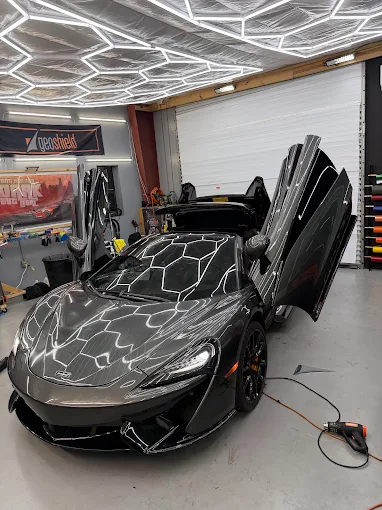
The hood, front bumper, fenders, mirrors, headlights, and rocker panels are the most common PPF coverage zones. These panels face the most direct highway debris and parking lot contact. Full front coverage protects every surface facing oncoming gravel. Full vehicle coverage extends to doors, roof, trunk, and rear panels for drivers who want maximum protection.
What Ceramic Coating Does and Does Not Do
Ceramic coating is a real product with real benefits. Being honest about what it does well is important for understanding where PPF protects that ceramic coating cannot.
What Ceramic Coating Does Well
Ceramic coating excels at surface-level chemical and environmental protection. It blocks UV radiation from degrading clear coat over time. It prevents bird droppings and tree sap from bonding to and etching the paint surface. It creates a hydrophobic layer that forces water to bead and slide off, carrying dirt and contaminants with it. It adds a deep, consistent gloss and makes the vehicle significantly easier to wash and maintain.
These are genuine benefits. For drivers whose primary concern is appearance, ease of maintenance, and protection against chemical contaminants, ceramic coating delivers measurable value.
What Ceramic Coating Does Not Do
Ceramic coating does not stop rock chips. It does not prevent parking lot scratches. It does not absorb the impact of gravel, road debris, or construction material hitting the paint at highway speed. It does not self-heal. A stone that strikes a ceramic-coated hood at 70 mph on I-275 chips the paint through the coating exactly as it would chip bare clear coat.
This is not a criticism of the product. It is a statement of what the product is designed to do. Ceramic coating is a chemical barrier. It was never designed to absorb physical impacts. Expecting it to stop rock chips is like expecting sunscreen to stop a baseball.
PPF vs Ceramic Coating: Side-by-Side for Tampa Drivers
| Protection Area | PPF | Ceramic Coating |
| Rock chips and gravel | Stops them completely | No protection |
| Parking lot scratches | Absorbs light contact | No protection |
| Self-healing surface | Yes, activated by heat | No |
| Bug splatter protection | Prevents contact with paint | Easier to clean, but contact still occurs |
| UV paint degradation | Moderate protection | Strong protection |
| Bird droppings and sap etching | Prevents contact on covered panels | Prevents bonding on all panels |
| Water spot prevention | No | Strong |
| Hydrophobic water beading | No | Strong |
| Gloss enhancement | No | Strong |
| Easier washing | No | Significantly easier |
| Physical impact absorption | Yes | No |
| Typical lifespan | 5 to 10 years | 2 to 5 years |
The table shows the fundamental gap. Every physical threat that Tampa roads deliver daily falls entirely in the PPF column. Ceramic coating covers chemical and cosmetic threats. Both are real. But the damage that costs the most to repair and shows the most visibly at resale is physical. Rock chips, gravel marks, and road debris scars are permanent. Water spots and bird dropping etching can often be corrected with polishing. A rock chip through the clear coat cannot be polished out.
SS Wraps and Tints installs STEK, CARPRO, and TMAXX paint protection film at 13323 W Hillsborough Ave. Every consultation matches the PPF coverage level to the specific vehicle and driving pattern.
Which Threats Actually Damage Tampa Cars the Most
This is the question that determines which product a Tampa driver should prioritise. The answer comes from what actually happens on Tampa roads every day.
Highway Debris on I-275, Veterans Expressway, and Hillsborough Avenue
These are the three highest-traffic corridors in the Tampa metro area. Loose gravel, construction material, and kicked-up stones from vehicles ahead hit the front end of every commuter vehicle daily. This damage is cumulative. One chip per week for a year produces 50 visible marks on an unprotected hood. PPF stops every one of them. Ceramic coating stops none of them.
Parking Lot Contact Across Tampa Retail Corridors
Tampa’s busy shopping areas along Dale Mabry Highway, Hillsborough Avenue, and the Westshore District create constant door dings and shopping cart exposure on side panels, rocker panels, and door edges. PPF on these panels absorbs the impact. Ceramic coating on these panels does not.
Salt Air From Tampa Bay and the Gulf
Airborne salt particles from Tampa Bay settle on vehicle surfaces and hold moisture against the paint. This is a chemical threat that ceramic coating addresses effectively. PPF on covered panels also blocks salt contact. The difference is that salt damage is slow and correctable. A rock chip is instant and permanent.
Bug Splatter and Tree Sap
Both are chemical contaminants that ceramic coating helps prevent from bonding to the surface. PPF goes further by preventing any contact at all on the panels it covers. Both products address this threat, but PPF provides the more complete barrier.
UV Exposure Year-Round
Tampa receives over 220 sunny days per year with UV index readings regularly above 10 from April through October. Ceramic coating provides strong UV protection across the entire vehicle. PPF provides moderate UV protection on covered panels. This is the one threat category where ceramic coating has a clear advantage over PPF in total vehicle coverage.
The Bottom Line on Tampa Threats
The most expensive damage to repair, the most visible damage at resale, and the most permanent damage to the paint surface all come from physical impacts. Rock chips, gravel marks, and road debris scars are the damage Tampa drivers notice first and pay the most to fix. PPF is the only product that prevents them.
Which One Should a Tampa, FL Driver Choose First
For Tampa drivers who can invest in one protection product, PPF is the stronger first choice. Here is why.
Physical damage is permanent. Chemical damage is often correctable. A rock chip through the clear coat requires professional touch-up or panel repainting. A water spot or a bird dropping etch mark can often be polished out with compound and a buffer. The damage that PPF prevents is the damage that costs the most to fix and shows the most at resale.
PPF lasts longer. Professional-grade PPF from STEK, CARPRO, and TMAXX lasts 5 to 10 years. Most ceramic coatings last 2 to 5 years before they need reapplication. The PPF investment holds for nearly twice as long as a ceramic coating investment.
PPF covers the highest-risk panels first. A full front PPF package protects the hood, bumper, fenders, mirrors, and headlights. These are the panels that take 90% of highway debris impact. The investment covers the highest-risk surfaces specifically.
Tampa’s driving conditions favour physical protection. The I-275, Veterans Expressway, and Hillsborough Avenue commute pattern delivers sustained rock chip and gravel exposure every day. These are not occasional threats. They are daily exposure on every Tampa commute. PPF is the only product that addresses them.
For Tampa drivers who already have PPF on the front end and want additional chemical and UV protection across the full vehicle, ceramic coating from a qualified detailer is a strong second investment. The two products complement each other. But the sequence matters. PPF first. Everything else second.
Conclusion
PPF and ceramic coating protect against different threats. PPF stops rock chips, road debris, and parking lot scratches. Ceramic coating stops UV degradation, chemical etching, and water spots. Both have genuine value. For Tampa drivers facing daily highway debris on I-275, the Veterans Expressway, and Hillsborough Avenue, the physical protection that only PPF provides is the more essential first investment.
SS Wraps and Tints installs STEK, CARPRO, and TMAXX paint protection film for Tampa drivers across Northwest Tampa, West Tampa, Seminole Heights, Hyde Park, Palma Ceia, and the surrounding area. Every installation includes precision cutting, professional application, and 5- to 10-year warranty coverage.
Frequently Asked Questions
Does ceramic coating stop rock chips on Tampa highways?
No. Ceramic coating is a chemical bond that resists UV, contaminants, and water spots. It does not absorb physical impact. A rock hitting a ceramic-coated surface at highway speed on I-275 or the Veterans Expressway damages the paint the same way it damages uncoated paint. Only PPF provides physical rock chip protection.
Which lasts longer, PPF or ceramic coating?
PPF lasts 5 to 10 years with proper care. Most ceramic coatings last 2 to 5 years before needing reapplication. PPF also retains its self-healing properties throughout its lifespan. In Tampa’s year-round sun, the heat keeps the self-healing feature active continuously.
Can you have both PPF and ceramic coating on the same car?
Yes. The two products address different threats and work well together. PPF goes on first because it must bond directly to clean paint. Ceramic coating can then be applied over both the PPF-protected panels and the remaining exposed panels. Drivers who want both should install PPF first from a PPF specialist, then have ceramic coating applied by a qualified detailer.
Which should a Tampa driver get first, PPF or ceramic coating?
PPF is the stronger first investment for Tampa drivers. The physical damage from highway debris on I-275, Veterans Expressway, and Hillsborough Avenue is permanent, expensive to repair, and shows visibly at resale. Ceramic coating addresses chemical and UV threats that are real but often correctable through polishing. Start with the protection that prevents the most costly and permanent damage first.
How much does PPF cost compared to ceramic coating in Tampa?
PPF costs more than ceramic coating because the material is more expensive and the installation requires significantly more time and skill. A full front PPF package costs more than a full vehicle ceramic coating in most cases. The higher cost reflects the physical protection that no other product provides. The investment prevents damage that would cost more to repair than the film itself.
Does PPF make ceramic coating unnecessary?
PPF and ceramic coating serve different purposes. PPF on the front end stops physical damage on the highest-risk panels. Ceramic coating across the full vehicle provides UV, chemical, and maintenance benefits on every surface. PPF does not replace the hydrophobic, gloss, and ease-of-washing benefits that ceramic coating provides. For drivers who prioritise physical protection above all else, PPF alone delivers the most essential coverage. Ceramic coating is a valuable addition when the budget allows.