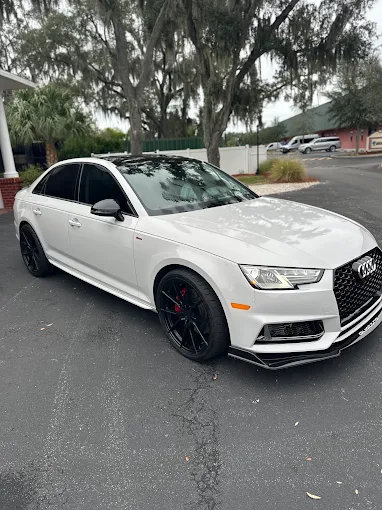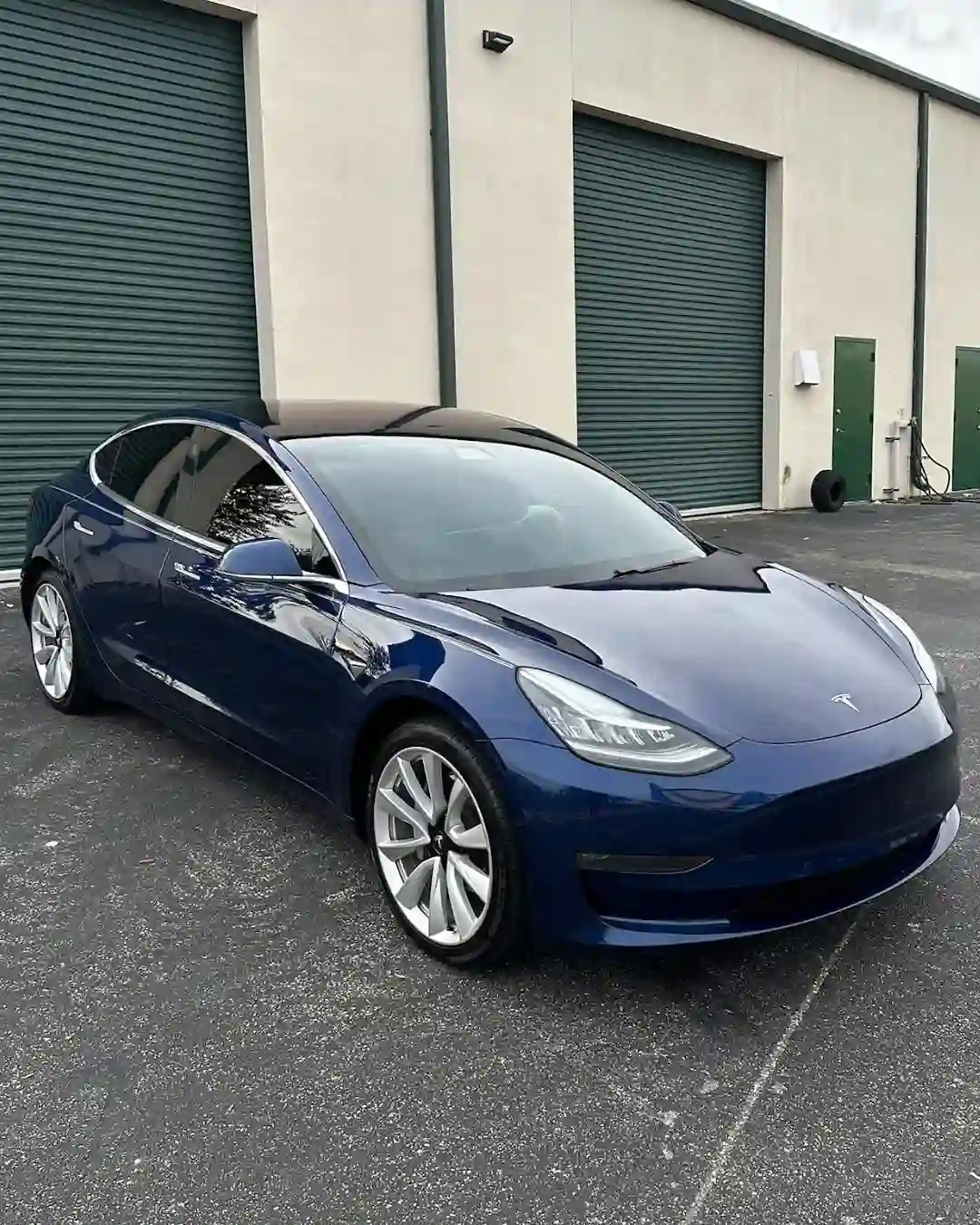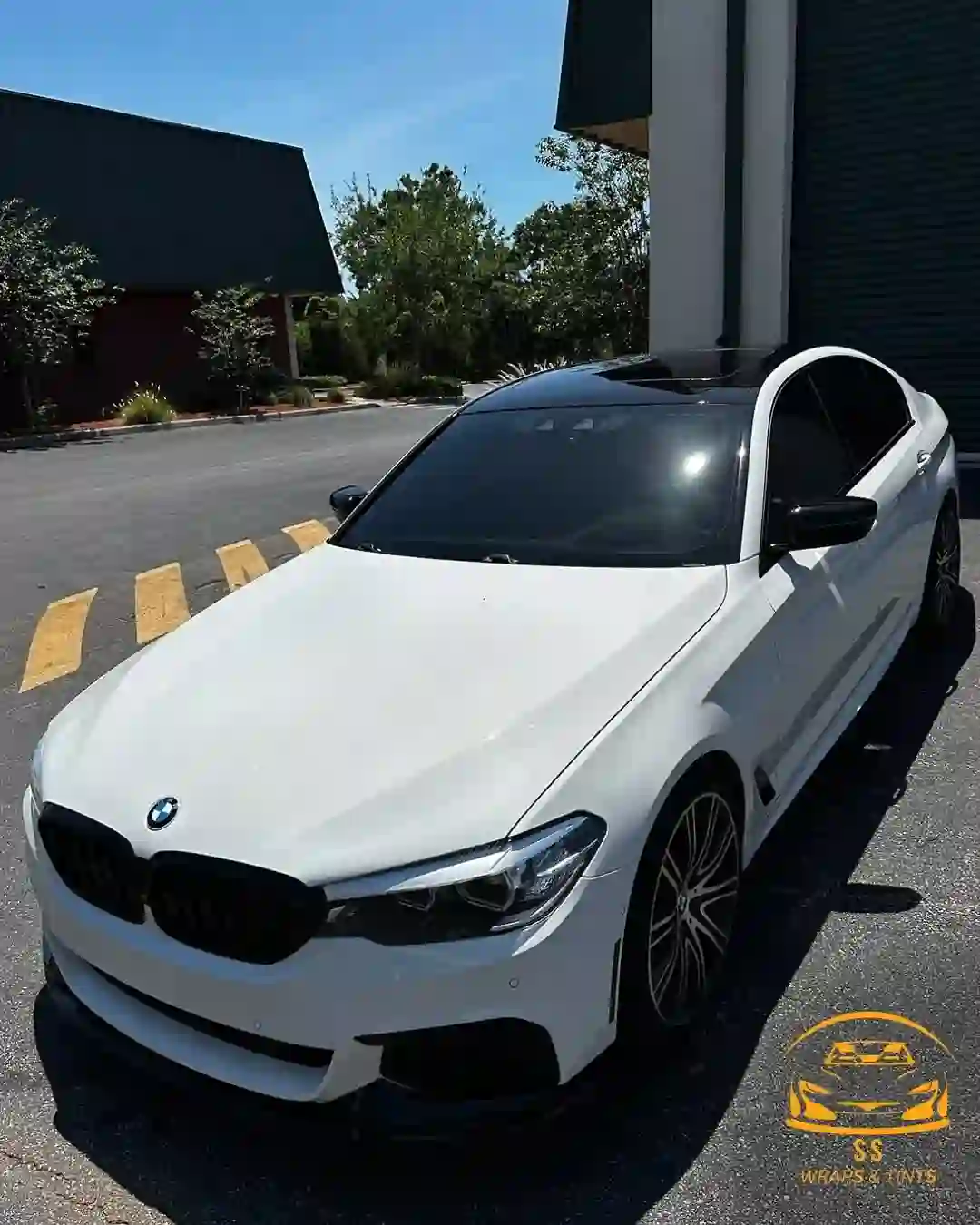

A fresh vinyl wrap looks great on day one. Most drivers want to know how long that look lasts. The honest answer depends on vinyl brand, finish, and how the car gets parked. SS Wraps & Tints handles full and partial vehicle wrap services in Tampa every week. The shop sees firsthand which habits stretch a wrap’s life and which ones cut it short.
What Determines How Long a Car Wrap Lasts?
Four things drive how long a wrap holds its color and finish. Film quality comes first, since premium cast vinyl outlasts cheaper calendered film. Installation quality matters just as much, since trapped air causes early failure.
Climate and sun exposure come next. Washing habits and where you park the car matter too. A garage-kept wrap that gets hand-washed will always outlast one left outside.
Driving conditions play a smaller role in overall lifespan. Highway miles and gravel roads add wear at the edges over time.
How Long Do 3M and KPMF Vinyl Wraps Last With Proper Care?
Most quality vinyl wraps last 4 to 5 years with proper care. That estimate holds true for the 3M and KPMF films used most often. Well-maintained wraps in covered parking can reach 5 to 7 years.
SS Wraps & Tints uses 3M and KPMF vinyl specifically for its durability and UV resistance. Both brands hold color and gloss longer than budget vinyl under Florida sun. Vehicle type and finish still shift that range in either direction.
Does Wrap Finish Affect How Long It Lasts?
Finish choice changes both appearance and durability. Gloss and satin finishes tend to hold up longest. They also hide minor imperfections better than other finishes.
Matte and chrome finishes look sharp but need more careful handling. Fingerprints and scuffs show more easily on these surfaces.
- Gloss and satin: strong overall durability, easiest to maintain day-to-day.
- Metallic and brushed metal: solid durability, though scratches show more than on gloss.
- Matte and carbon fiber texture: striking look, but skip wax and harsh scrubbing.
- Chrome deletes and accents: shorter realistic lifespan, more sensitive to heat and pressure washing.
Choosing a finish based on looks alone can shorten lifespan if your care habits don’t match the material.
How Long Does a Partial Wrap Last Compared to a Full Wrap?
Partial wraps on hoods, roofs, or doors often outlast full wraps by a small margin. Less total surface area means less overall exposure to sun and road debris. Edges still remain the most vulnerable point on either style.
Color-change wraps that cover the entire vehicle face more constant UV exposure across every panel. A full wrap on a roof or hood fades faster than the same panel under a partial design. Chrome deletes and accent wraps tend to show wear soonest, since they sit at panel edges and trim lines.
Panel count also affects installation time and seam count. Fewer seams on a partial wrap can mean fewer weak points over the vinyl’s life.
Does Tampa’s Heat and Salt Air Shorten a Car Wrap’s Life?
Tampa’s climate is tougher on vinyl than most parts of the country. Constant UV exposure fades color faster than in milder climates. Summer humidity also stresses the seams.
Salt air off Tampa Bay and the Gulf speeds up edge lifting outdoors. Vehicle owners throughout the Tampa area who park under cover see noticeably longer wrap life. Afternoon sun on I-275 or Veterans Expressway commutes adds up fast.
Cars parked outside at work all day face the toughest combination of heat and salt. SS Wraps & Tints factors that climate into every finish recommendation.
Does Professional Installation Affect How Long a Wrap Lasts?
Installation quality affects a wrap’s lifespan more than most drivers expect. Trapped air, stretched panels, or rushed seams create early failure points. That risk applies to any vinyl brand or finish.
Trained installers prep the surface fully before any vinyl goes on. A full clean and decontamination step keeps dust from getting trapped underneath. That prep step affects how long the edges stay sealed.
A wrap installed correctly the first time rarely needs early edge repairs. Cutting corners on install can shorten a wrap’s real-world life by years.
How Can You Make a Car Wrap Last Longer?
Simple habits add real years to a wrap’s life. Hand washing protects the film far better than automatic brush washes. Parking in shade limits the UV exposure that fades color fastest.
- Hand wash every one to two weeks using non-abrasive soap and soft microfiber towels.
- Avoid automatic brush car washes, which can lift edges and scratch the vinyl.
- Skip traditional car wax, and use a vinyl-safe sealant or ceramic spray instead.
- Wipe off fuel, bird droppings, and tree sap quickly before they set into the film.
- Address lifted edges or small tears early before moisture gets underneath.
A quick monthly check of edges and seams catches small problems before they spread. Florida’s rainy season also calls for drying the car promptly to avoid water spots settling into the film.

Is a Car Wrap or Paint Protection Film Better for Your Paint?
Wraps and paint protection film solve different problems. Both go over factory paint, but their goals differ. A wrap changes the vehicle’s color while covering the paint underneath.
PPF stays clear and focuses purely on shielding paint from rock chips. Vinyl wrap still protects against minor scratches and UV fading as a side benefit. Drivers who want a color change get that protection built in automatically.
Anyone comparing the two purely on cost and coverage can check our PPF cost guide for Tampa.
Some vehicle owners combine both, applying PPF to the front bumper and hood before wrapping the rest in vinyl. That layered approach protects the highest-impact panels while still allowing a full color change.
Do Commercial Fleet Wraps Last as Long as Personal Vehicle Wraps?
Fleet wraps face harder daily use than most personal vehicles. Trucks and vans rack up more miles and sit outside between routes. They also get washed less consistently than a personal daily driver.
That combination often shortens realistic lifespan compared to a garage-kept car. Regular rinsing to remove road grime and salt extends fleet wrap life. Vehicles rotated through covered parking overnight hold color longer.
Businesses that budget for a rewrap every few years keep branding looking sharp instead of faded. A faded logo or peeling edge on a work truck reflects on the business, not just the vehicle.
Does Wrap Color Affect How Long a Car Wrap Lasts?
Dark colors absorb more heat than light colors under direct sun. Black, dark blue, and dark gray wraps run hotter on the surface during a Tampa afternoon. That extra heat can accelerate adhesive breakdown at the edges over several summers.
Lighter colors and satin finishes tend to show less heat-related stress over time. They also tend to hide dust and minor swirl marks better between washes. Color choice will not make or break a wrap’s lifespan on its own, but it does shift the timeline slightly.
Vehicles that sit outside most of the day benefit most from choosing a lighter shade. A dark wrap kept in a garage avoids most of that added heat exposure entirely.
Do Tesla and Other EV Wraps Need Different Care?
Tesla and EV wraps follow the same core rules as any gas vehicle wrap. Vinyl still needs hand washing, shade, and prompt cleanup of spills or debris.
Panoramic glass roofs and unique panel shapes require extra care during installation. Color-change wraps stay popular on Teslas heading back to a lease return. A clean removal protects the factory paint underneath for resale.
Charging port doors and camera cutouts need precise trimming during install. That detail work affects how well the edges hold up over time.
What Are the Signs It Is Time to Remove or Replace a Car Wrap?
A few warning signs signal a wrap is nearing the end of its life. Lifting edges around doors, mirrors, and bumpers usually appear first. Color fading on horizontal surfaces like the hood follows soon after.
Cracking or brittleness when you touch the film means it has lost flexibility. Bubbling that keeps returning after being smoothed out often points to failing adhesive.
Any of these signs are a reasonable cue to schedule a rewrap consultation.
Can a Car Wrap Be Repaired Instead of Fully Replaced?
Small issues do not always mean a full rewrap. A lifted corner or a small tear can often be patched with a matching vinyl panel. That approach costs far less than replacing the entire wrap.
Widespread fading or brittleness across multiple panels usually means a spot repair will not blend well. In that case, a full rewrap gives a more even, consistent finish. A quick inspection is the easiest way to tell which approach fits a specific vehicle.
Fleet vehicles with damage limited to one panel are good repair candidates. A single door or panel repair can extend the branding’s useful life by another year or two.
How Should You Clean a Wrapped Vehicle Without Damaging It?
Washing technique matters more for wrapped vehicles than for painted ones. According to 3M’s official wrap film care guide, hand washing is preferred over automatic brush washes. Brush washes can scratch and dull the film over time.
The guide also recommends wiping off fuel spills immediately. Fuel can degrade vinyl and the adhesive underneath if left too long. Touchless car washes work as an acceptable backup option.
Waiting a few days after installation lets the adhesive fully cure. Stubborn residue like tree sap should soak in warm, soapy water first.
Conclusion
A quality vinyl wrap typically lasts 4 to 5 years with proper care. Well-kept wraps in covered parking sometimes reach 5 to 7 years. Film quality, finish, installation, and Tampa’s climate all shape that range.
Drivers can lean on SS Wraps & Tints to pick a finish and care routine that fits real use. Anyone deciding between a color-change wrap and clear protection can also see how PPF and ceramic coating protect paint differently.
Frequently Asked Questions
How long does a 3M or KPMF vinyl wrap actually last in Florida?
Most 3M and KPMF vinyl wraps last 4 to 5 years with proper care under Florida’s intense year-round sun, heat, and coastal salt-air humidity levels that build up steadily over time. Garage-kept vehicles washed regularly can reach 5 to 7 years before fading or edge lifting appears.
Does wrapping my car actually protect the paint underneath?
Yes, a vinyl wrap shields factory paint from minor scratches, road debris, and UV fading for as long as it stays applied to the vehicle’s body panels and trim pieces. Removing the wrap later typically reveals paint in noticeably better condition than an unwrapped car of the same age.
Can I pressure wash a car with a vinyl wrap on it?
Light pressure washing from a safe distance is generally fine, but hand washing lasts longer overall for the film’s finish and color. High-pressure settings aimed too closely can lift edges around doors, mirrors, and trim, shortening the wrap’s usable life over just a few months.
How do I know when my car wrap needs to be replaced?
Watch for lifting edges around doors and mirrors, fading on the hood or roof, cracking when touched, or bubbling that keeps returning after being smoothed down repeatedly. Any of these signs mean it is time to schedule a removal and rewrap consultation before damage spreads further.
Is a matte wrap harder to maintain than a gloss wrap?
Yes, matte finishes show fingerprints, water spots, and scuff marks more easily than gloss finishes do under close daily inspection and sunlight. Matte wraps also require vinyl-safe sealants instead of traditional car wax, which can leave a shiny residue that ruins the intended flat look.
Can a car wrap be removed without damaging the paint underneath?
A professionally installed wrap removes cleanly when done correctly, since quality vinyl like 3M or KPMF is engineered for safe long-term removal from factory paint. Paint condition underneath depends mostly on installation quality and how long the wrap stayed on the vehicle before removal began.